



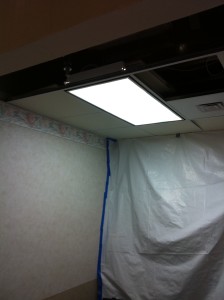
 The Department of Energy (DOE) has announced new voluntary energy-saving specifications for lighting “troffers” (rectangular overhead fixtures used in commercial buildings) as well as parking lot and parking structure lighting. To reduce energy bills and carbon emissions, building operators can voluntarily adopt these specifications for new buildings and/or building upgrades. The performance criteria for the specifications were developed by DOE’s Commercial Building Energy Alliances (CBEAs), a group of US companies representing various sectors that have identified energy-efficient and cost-saving practices.
High-efficiency troffer lighting specification
CBEA High Efficiency Troffer Specification was originally developed in 2011 for 2×2-ft troffers. The new Version 3.0 specification includes 2×2-ft, 1×4-ft and 2×4-ft products and provides minimum performance levels for LED and fluorescent troffers used in commercial buildings.
DOE estimates that 50% of all commercial fluorescent lighting fixtures are recessed troffers in 2×4-ft, 2×2-ft, 1×4-ft configurations that operate for more than 10 hours a day on average and consume more than 87 TWh of electricity annually. The new specification delivers energy savings of 15% to 45% compared with conventional systems. The specification includes an optional section on lighting controls, which can boost savings up to 75% by employing technologies such as motion sensors and timers.
High-efficiency parking lot lighting
DOE has also released updated specifications for high-efficiency parking lot and parking structure lighting. The original specification for LED parking lot lights was introduced in 2009. The new Version 1.3 contains additions related to IES TM-15 and TM-21 and surge protection. This LED lighting specification typically reduces energy use by 50% compared with conventional parking-lot lighting. Early adopters of the new specifications have included Wal-Mart, Lowe’s, and Cleveland Clinic.
The parking-structure lighting specification includes specifications for high-efficiency fluorescent, induction, and LED lighting in parking structures. Like the parking-lot specification, the parking-structure specification also contains updates related to IES TM-21 and anticipated RP-20 requirements.
Through CBEA, DOE collaborates with building owners, operators, and manufacturers to develop minimum performance requirements that are voluntarily adopted by CBEA members.
More information on energy saving lighting specifications can be found at www.energy.gov.

 Consider attending the Wisconsin Builders Conference on Wednesday, February 22
 The full conference costs, which include all education and events, Wednesday through Thursday, are as follows:
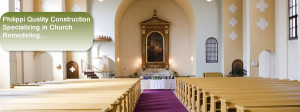 Finding the right builder to design and construct your church should be based on getting the most value, not who will do it for the least amount of money. Be sure you understand your needs, both short and long term. You should also understand your congregation’s opinion on needs for your new/rebuild church construction.