


 Scheduling a construction project, whether it be a home project or a construction company project, can be a big hassle and many things need to be considered, including the time lines of different contractors, material costs, material availability, and even unplanned changes and discoveries. You can purchase an expensive software program, but you also save yourself that cost and create your own master schedule if you keep the following things in mind.
- Create a list of all things that will need to be completed during the project. For example, if remodeling a kitchen, you will have to plan for plumbing, interior wall work, painting and initial demolition. List each type of work and how it relates to the other jobs, and be sure to consider order necessary for things to be completed.
- Get time estimates! Be sure to get estimates on how long each project will take and be sure to inquire about any special circumstances, such as wait times for zoning permits and any special order materials.
- Mark deadlines on a dedicated calendar! Be sure to mark the deadlines that you need to meet on a calendar dedicated to the construction project only. Then, move these deadlines back a week to allow for circumstances and extra room. If you work backwards, marking in the last part of the project and taking into account how long it will take, this will make it easier for you to stay on schedule. Go back through the calendar until ALL construction project parts are listed with deadlines.
- Go over and tweak your calendar each week. Sometimes a contractor or one step of the project will be completed with extra time available. Call the next contractor to see if he can start his part a few days early. Always call contractors about a week early to confirm dates and start times. If any changes need to be made, make sure to adjust the entire calendar accordingly.
If you follow these four tips, you will save yourself money and time and your construction project will stay on task until completion. You will also be organized and be able to keep contractors happy that their schedule has been accounted for, which makes for a smoother experience and completion of project!
Dividing a construction project between architect and builder can cause problems, the process and lines of responsibility can be ignored, increasing the possibility of costly items falling through the cracks and being missed. Philippi Quality Construction’s philosophy solves that problem by accepting full responsibility for the design and construction. Design/Build means being the customer’s single point of contact with the people who are dedicated to customer’s satisfaction. Just one source will keep everything on track, on time and on budget. THIS is what gives the customers of Philippi Quality Construction more time to plan for opportunities and possibilities.

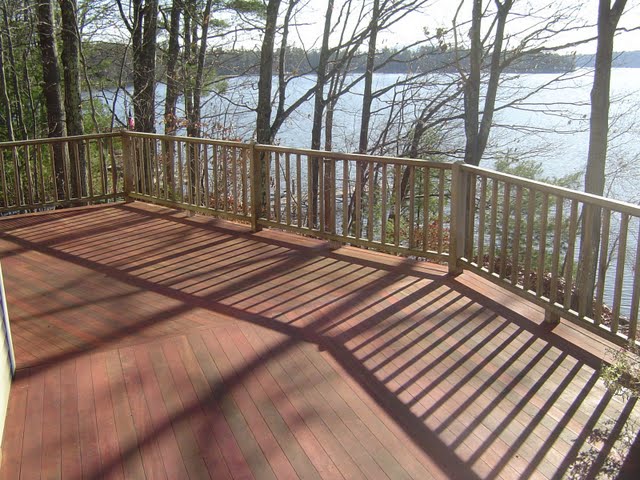
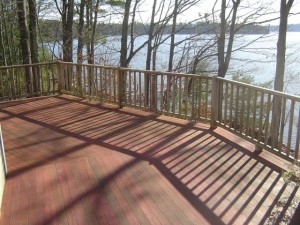 Spring in Wisconsin means the beginning of longer days in the sunlight, beautiful weather, and months ahead of spending more time outside than indoors. When the first day of spring comes, what do you think of? Enjoying the smell of the fresh air or the smell of the first time you mow your lawn? Spring is a great time to start planning your first cook out, enjoying a quiet dinner with your family after a long day of work, or even taking time out for yourself and enjoying the peaceful, brisk spring air with a good book. Finally, you can put the snow blower and snowmobiles away, and all of the other “toys” that reminds you of winter.
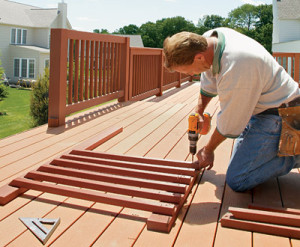 Do you want to save the time and frustration? You can have your spring in Wisconsin dreams come true and get the custom-built deck you’ve always wanted!
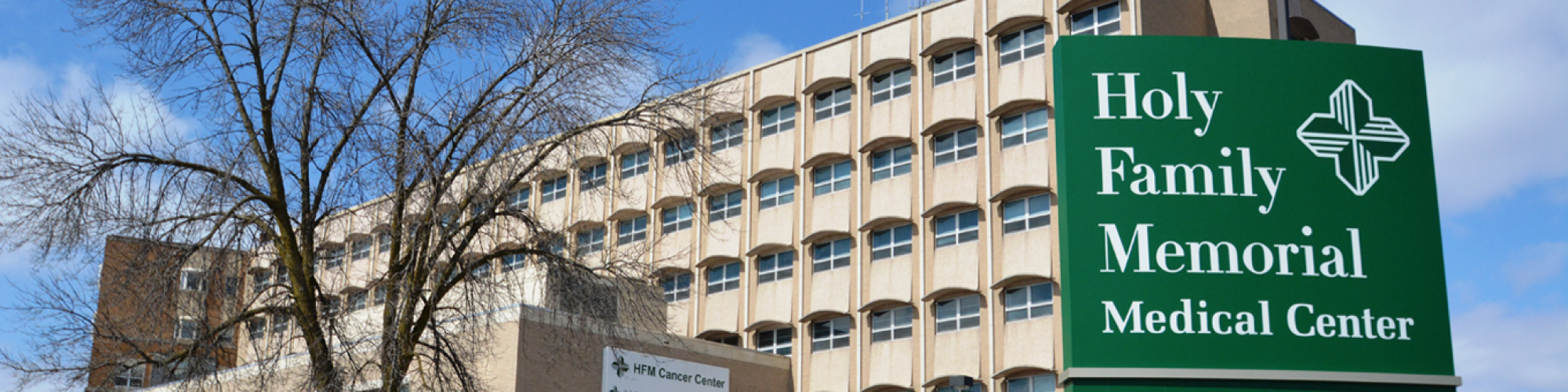
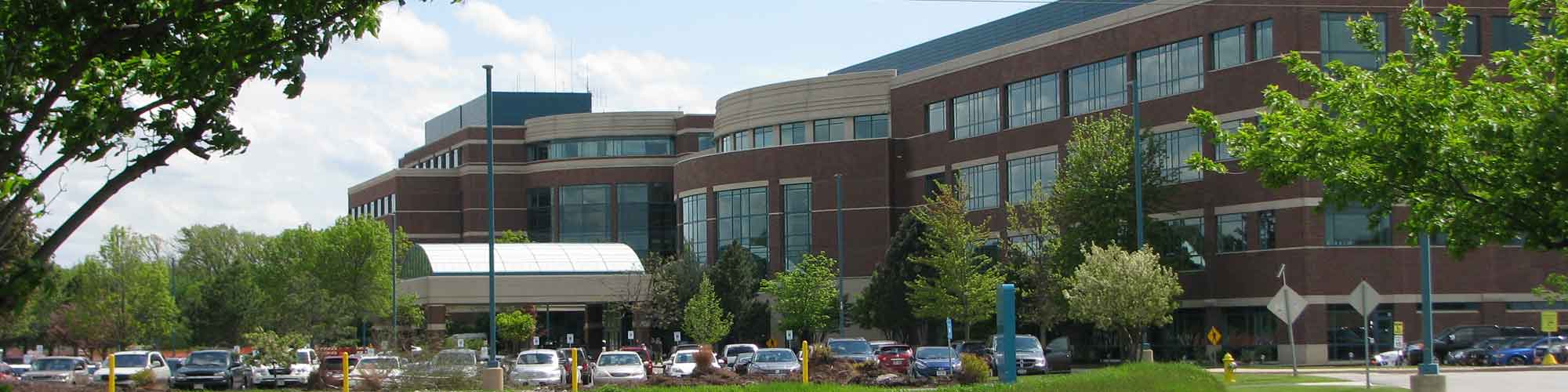
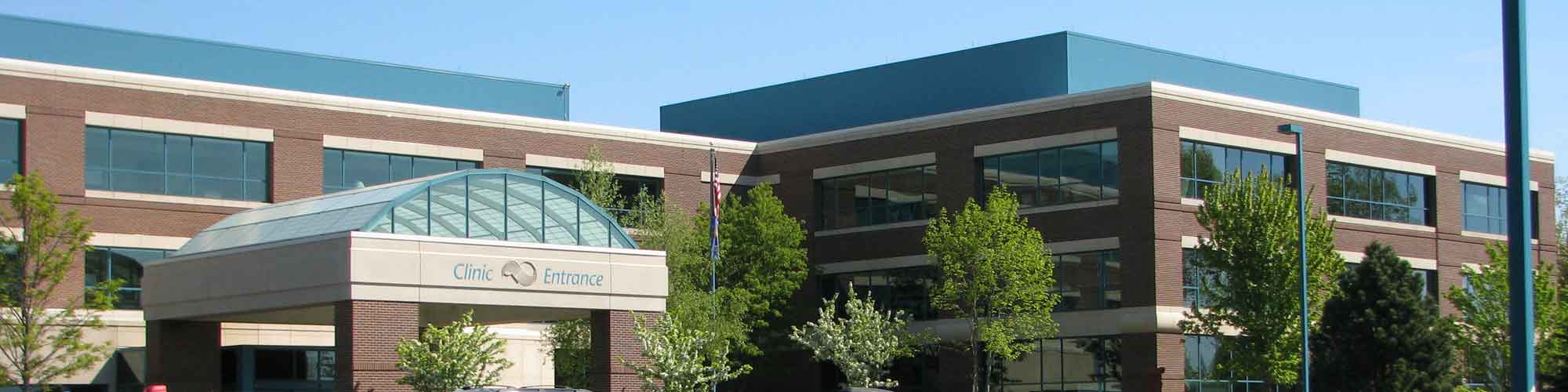
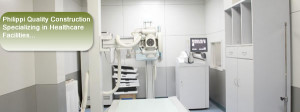 Because hospitals provide a wide range of services and are made up of many functional units, they are the most complex of building types. Hospitals have diagnostic and treatment functions, such as clinical laboratories, imaging, emergency rooms, and surgery; hospitality functions, such as food service and housekeeping; and inpatient care or bed-related functions. Good hospital design integrates functional requirements with the human needs of its varied users. This need for diverse functions is reflected in the breadth and specificity of regulations, codes, and oversight that govern hospital construction and operations. Each of the wide-ranging and constantly evolving functions of a hospital, including highly complicated mechanical, electrical, and telecommunications systems, requires specialized knowledge and expertise. Hospital design is also influenced by site restraints and opportunities, climate, surrounding facilities, budget, and available technology. All hospitals should have certain common attributes, regardless of their location, size or budget.